
The Vulnerability Door
Welcome to Your Love Breakthrough! Get Real. Love.
In this edition: The Vulnerability Door
Perspective – The Vulnerability-Strength Paradox
Practical Tactics – Opening, Closing, Locking and Recovering
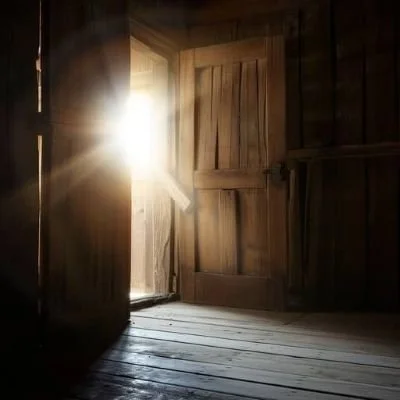
Let The Sunshine In!
Perspective – The Vulnerability-Strength Paradox
Honesty leads to vulnerability. You can't have vulnerability without honesty. As a matter of fact, you can't be honest without becoming vulnerable.
"Vulnerability" is often associated with weakness; it refers to a flaw or a frailty. In relationships, though, its most simple definition is "openness".
Vulnerability is like a door opening... to receiving a gift, a person's point of view, or, as we all know and dread—rejection.
Some say that if you feel hurt when wronged, it's because you "believed a lie". Sometimes that's true. But maturity of age or character doesn't produce immunity to getting hurt. In fact, learning how not to get hurt is more often a sign of a closed or hardened heart, a sign of indifference and uncaring.
If we keep the door locked forever, our isolated souls starve for lack of connection, affection, and contribution.
Case in point: Think of a time you asked someone for something, and they denied your request.
Now, think of a time when you asked a different person for the same thing, and they accepted your request.
In both cases, you made yourself vulnerable.
Practical Tactics — Opening, Closing, Locking and Recovering
You can't receive good things without opening the “Vulnerability Door”.
"Opening the door" implies a sense of relational or emotional risk to opening yourself and may include:
Initiating an invitation
Disclosing as-of-yet unknown information
Asking a question
Making a request
So when there's a knock on our Vulnerability Door, how do we know when it's safe and worth it to open it?
The reason for opening the door surpasses any pain that may come from opening the door (once we’ve assessed potential outcomes).
You already know and trust the party you are opening the door to.
If you don’t know or aren’t sure about trusting the person, you believe that they will have something to give you or you will give them that will be worth it if there is hurt.
Sometimes the door opened, but not by our own choice. In these cases, and in the case where the decision to open the door didn't go the way we'd hoped, the need turns to:
Resilience
Forgiving ourselves
Forgiving the other party
Looking for what good came out of the unwanted event, then embracing it
Internalizing how to go forward from here, internalizing wisdom if we encounter future similar situations
The value and depth of vulnerability usually increases with the level of commitment of the relationship. But the best life-partnerships only arrive by two people gradually becoming vulnerable beforehand. Like love itself, vulnerability has to be a practice—not one that “makes perfect”, but one that creates a larger capacity of truth and trust.
If this email was forwarded to you, Sign up to get uplifting messages from Christy Sanborn Grassman.
What you have you missed? Check out past email messages from Christy Sanborn Grassman.